Blog

  • Why a Safe and Positive School Environment Matters for Young Children

    Why a Safe and Positive School Environment Matters for Young Children

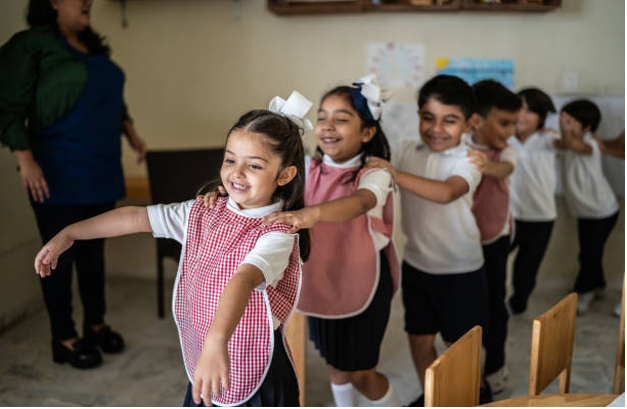
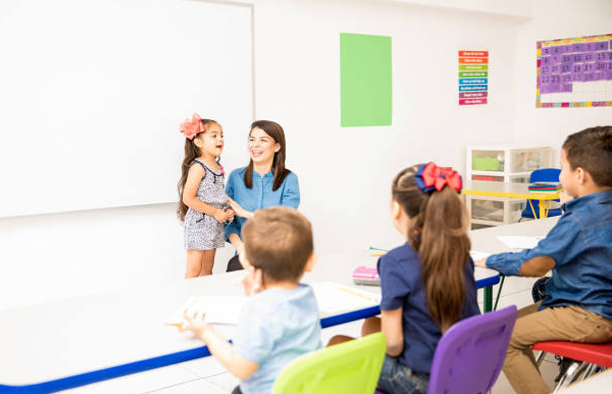
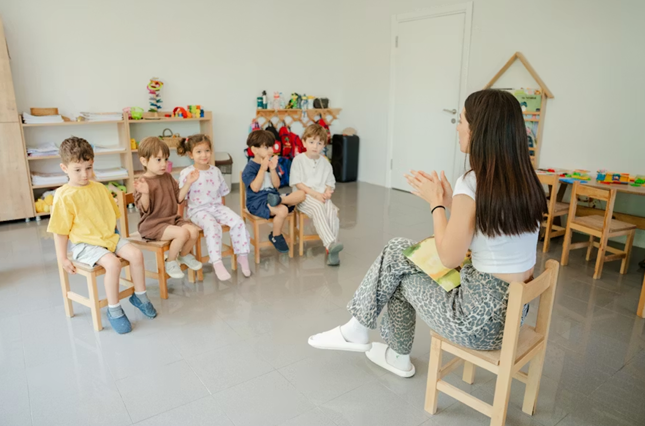
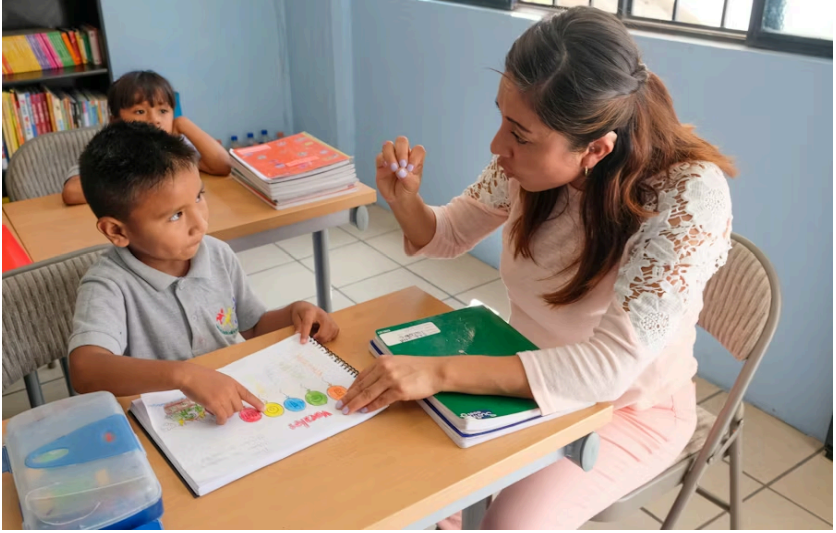
    Preschool is a new environment for children aged 2-8 years. It is where they take their first steps towards being independent, socializing with others and systematic learning. In early years, the school plays an important role in shaping a child’s emotions, confidence and approach towards learning. 

    Young children feel secure, supported and ready to explore in a safe, positive and nurturing school environment. Children feel secure and learning becomes natural and happy. 

    1. Emotional Safety Builds Confidence in Early Learners  

    For toddlers and preschoolers, emotional security is equally important as physical security. Children must feel accepted, understood and cared about before they are able to actually engage in learning. 

    Children in a positive school environment:

    ● Not afraid of separation with parents. 

    ● Express their feelings freely.

    ● Build trust in caregivers and teachers. 

    Children become more open and confident when emotional needs are fulfilled and become open to new experiences. This trust makes them engage in activities, interact more and like attending School in Bhiwani on a daily basis. 

    2. Physical Safety Creates a Stress-Free Learning Space 

    Young children learn best in environments that are specifically made to suit them. A physically safe school environment means that children are able to move, play and explore without being restricted and feared all the time. 

    A child friendly environment involves: 

    ● Clean and hygienic classrooms. 

    ● Furniture and learning materials suitable for their age. 

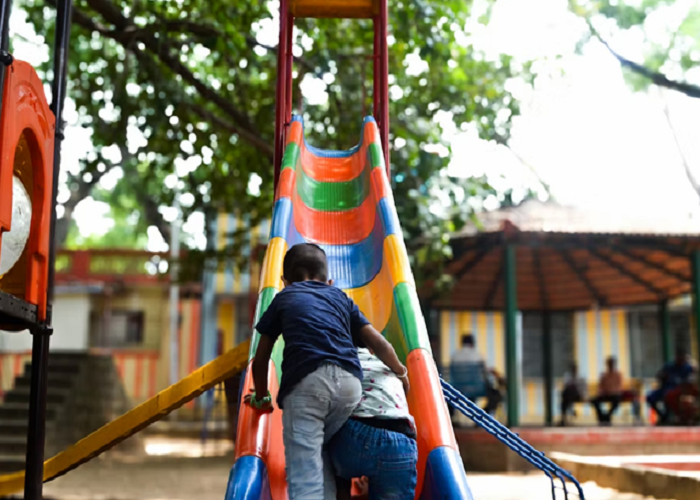
    ● Supervised playgrounds. 

    This helps them to be less anxious and enables them to participate in learning and play-based activities necessary in early development.
    3. Positive Environments Encourage Social and Emotional Growth 

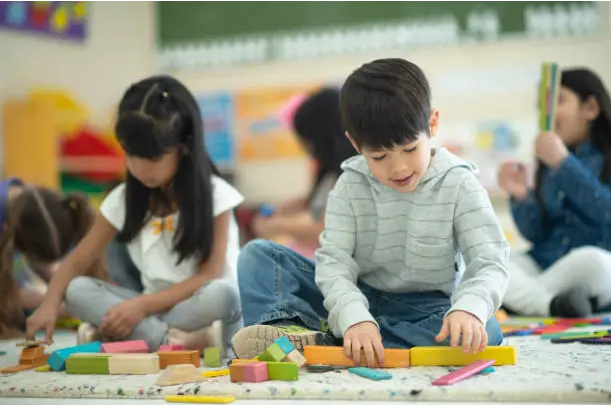
    Children learn how to relate with others at early ages. A good school environment assists children to acquire the necessary social and emotional skills.

    Within these environments, children learn:

    ● Sharing and taking turns. 

    ● Deference to peers and teachers. 

    ● Cooperation and teamwork 

    Teachers have a major role in ensuring that these interactions are directed in a positive and soft manner. 

    4. A Happy Environment Builds a Love for Learning  

    Children who learn to associate school with happiness and comfort tend to love learning their whole life. Curiosity, creativity and enthusiasm are promoted by a positive school environment. 

    Such environment facilitates: 

    ● Play based learning and activity based learning. 

    ● Liberty to investigate and inquire. 

    ● Happy engagement in classroom activities. 

    When children learn without pressure, they become more curious and interested. This is a good relationship with school that makes it easier to overcome fear and pressure as the children develop academically.
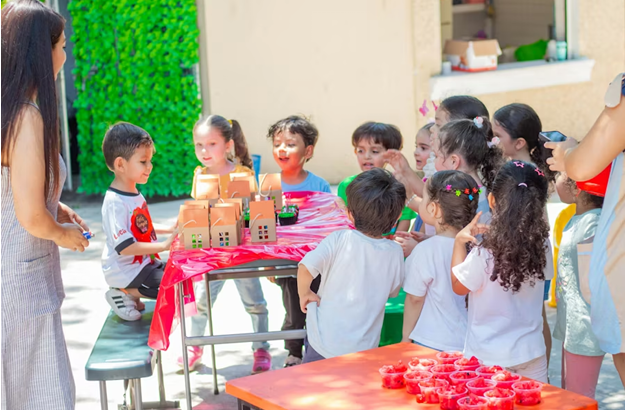
    5. A Safe and Supportive Environment at Mosaic School  

    At Mosaic International Preschool, the core of early education is to establish a safe, positive and nurturing environment. The school is designed to make every child feel safe, appreciated and joyful and is targeted at children aged between 2 and 8 years. 

    Mosaic School offers: 

    ● Nurturing and caring teachers. 

    ● Routines that are structured and flexible to young learners. 

    ● Early childhood-friendly warm and welcoming campus. 

    Through safety, emotional care and involvement learning experiences, Mosaic School will be able to make children enjoy their first school experience as they establish strong foundations to the future. 

    The early years of schooling require a safe and positive school environment. It influences the confidence of a child, his/her emotional state and attitude to studying. Children become more willing to explore, interact and develop when they feel safe and joyful. 

    Selecting the appropriate early education setting guarantees that the initial experience of school is full of happiness, comfort and valuable learning to a child. 

    Seeking a playschool and preschool where safety, care and joyful learning are of utmost importance to young children? 

    Visit Mosaic International Preschool or call us today to find out more about our early education style and admissions.

    Read Also: Why Play-Based Learning Is Essential in Early Childhood Education
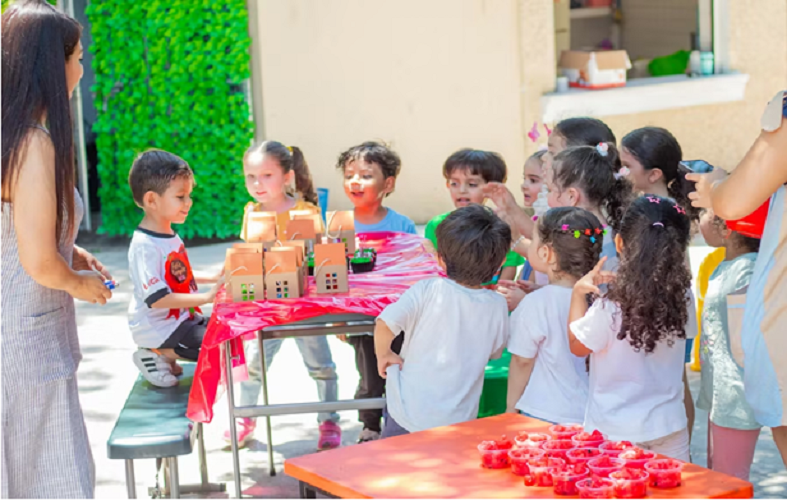
  • Why Play-Based Learning Is Essential in Early Childhood Education
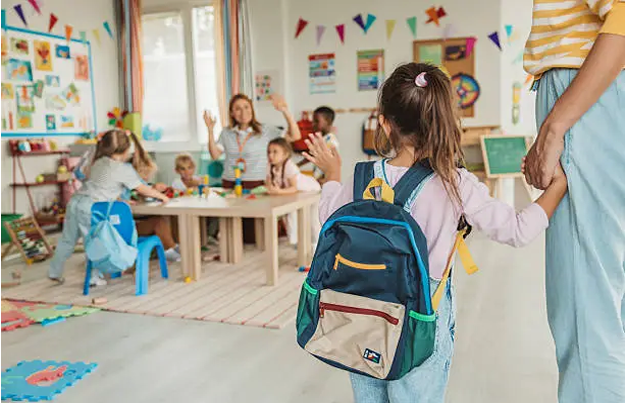
    Why Play-Based Learning Is Essential in Early Childhood Education
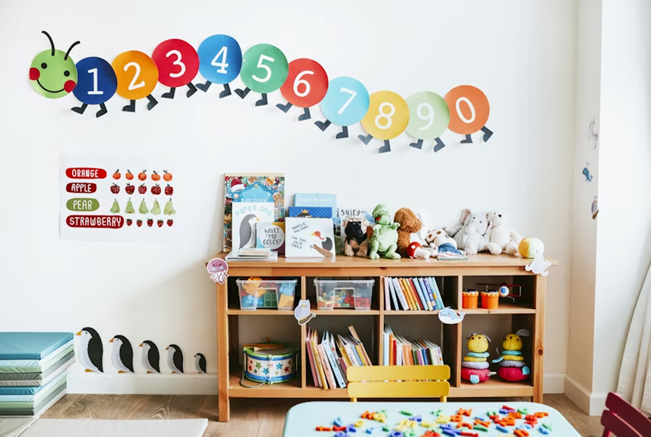
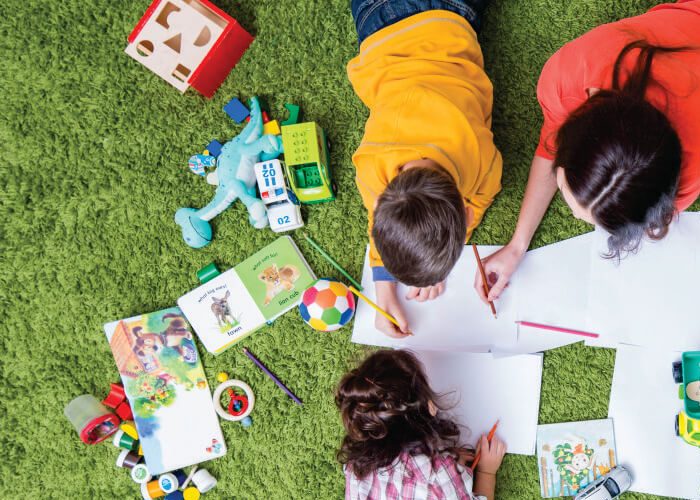
    Children between the age of 2 and 8 years learn best through play. Play is not only a pause in the learning process, but it is how young children learn about the world around them. During the early years, children explore, imagine, experiment and express themselves primarily through play. 

    That is why effective early childhood education is based on play-based learning. Play-based learning in preschools assists children to develop the necessary academic, emotional, social and physical skills in a happy and stress-free manner. 

    Play-based learning at Mosaic International Preschool is carefully incorporated into daily life, so that children can have a great experience during their first school experience, and build solid foundations.

    1. Understanding Play-Based Learning in Early Education 

    Play-based learning is a method of learning in which children learn by being guided in play, exploration and hands-on activities, as opposed to learning by instruction alone. It enables children to be active in their surroundings as they acquire the necessary skills in a natural manner. 

    Play-based learning in early education involves: 

    ● Storytelling and role-play 

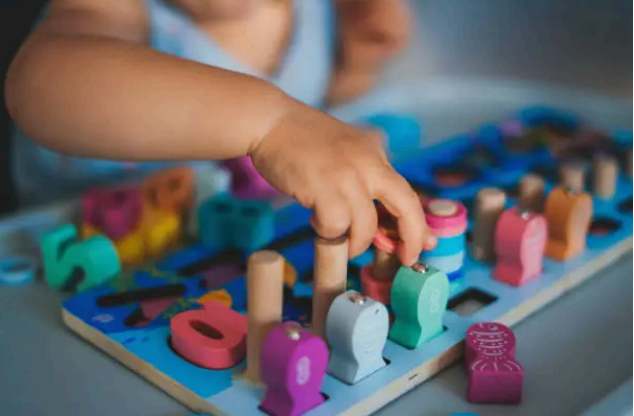
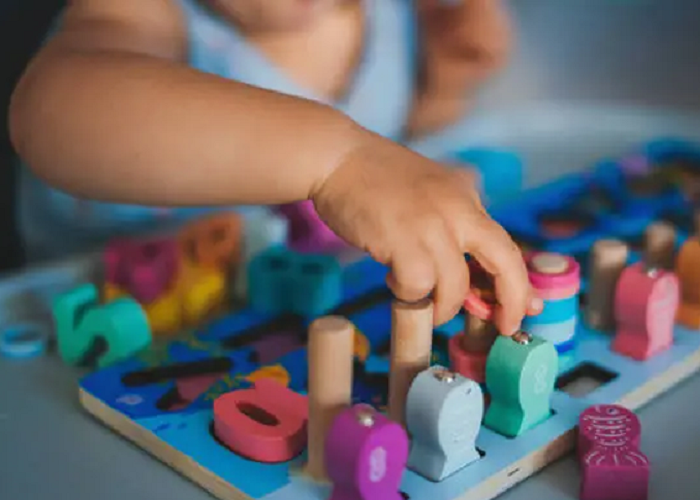
    ● Blocks and puzzles. 

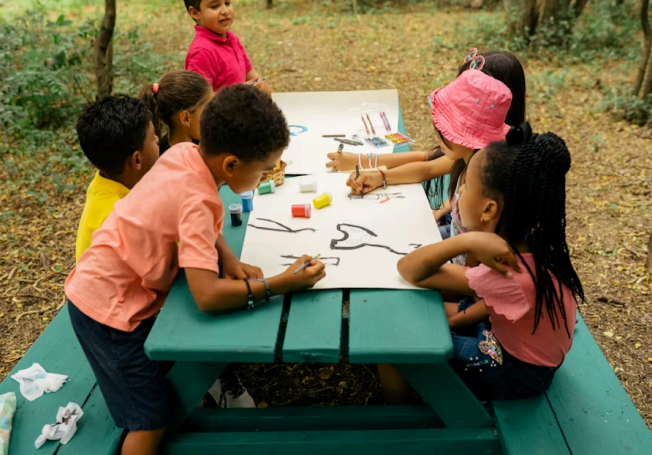
    ● Music, movement and art activities. 

    These activities are well thought out so as to facilitate learning outcomes and at the same time giving the children the freedom to explore and have fun. This approach respects each child’s natural curiosity and pace of learning. 

    2. How Play Supports Brain Development and Learning 

    The brain of a child is very active during play. In play, children make choices, solve problems and experiment with ideas all of which facilitate cognitive development. 

    Play based learning assists children: 

    ● Acquire early language and communication skills. 

    ● Understand numbers, patterns and basic concepts 

    ● Improve memory and concentration 

    As an illustration, block building will introduce simple mathematics and spatial awareness, and pretend play will enhance language and imagination. These experiences enable children to learn without straining and therefore comprehending is more profound and permanent. 

    3. Encouraging Creativity, Confidence and Independence 

    Play-based environments give children the freedom to express themselves. Children use their creativity and imagination through art, pretend play and open-ended activities. 

    Children are assisted by such experiences: 

    ● Gain confidence through decisions. 

    ● Express emotions safely 

    ● Build self-confidence and self-reliance. 

    Children feel confident learners when they are motivated to explore without fear of making any mistakes. This trust is transferred to subsequent academic and social experiences. 

    4. Social and Emotional Growth Through Play 

    One of the most effective means through which children acquire social skills is through play. Group play educates children on how to socialize, collaborate and form relationships. 

    Children learn:

    ● Sharing and taking turns 

    ● Communication and teamwork 

    ● Knowledge of emotions and empathy. 

    Teachers are careful to facilitate these interactions and children learn how to manage emotions and acquire positive social behaviour. These social skills at an early age are the basis of healthy relationships in the future. 

    5. Play-Based Learning at Mosaic School 

    Play-based learning is central to the early childhood education of children at Mosaic School (2-8 years). The curriculum will be structured in such a way that it will combine learning objectives with fun activities so that the children are not bored. 

    The school concentrates on: 

    ● Structured and guided play activities 

    ● Healthy and challenging learning environments.

    ● Nurturing educators who notice and nurture every student. 

    Mosaic School is able to combine play with purpose in order to make sure that children grow academically, emotionally and socially and enjoy each moment of their learning process. 

    Learning through play is critical in the early childhood stage as it is a natural way of learning and development in young children. It promotes inquisitiveness, imagination, self-confidence and significant insight without coercion. 

    Children who learn to play will have a lifetime relationship with school. 

    In search of a playschool and preschool in Bhiwadi where learning is considered to be fun, interactive and child-centered? 

     Visit Mosaic School or call us today to find out more about our play-based early education programme and admissions. 

    Read Also: The Role of Teachers in a Child’s Early Education Journey

  • The Role of Teachers in a Child’s Early Education Journey

    The Role of Teachers in a Child’s Early Education Journey

    School is usually the first exposure of young children, who are between the ages of 2 and 8 years. Teachers during these early years do much more than just teach lessons. They turn into caregivers, tutors, role models and reliable adults that make children feel secure, confident and ready  to learn.

    In playschool, preschool and early primary,  patience and understanding of a teacher influence the way a child perceives school and life long learning. 

    1. Teachers as Caregivers, Guides and Mentors 

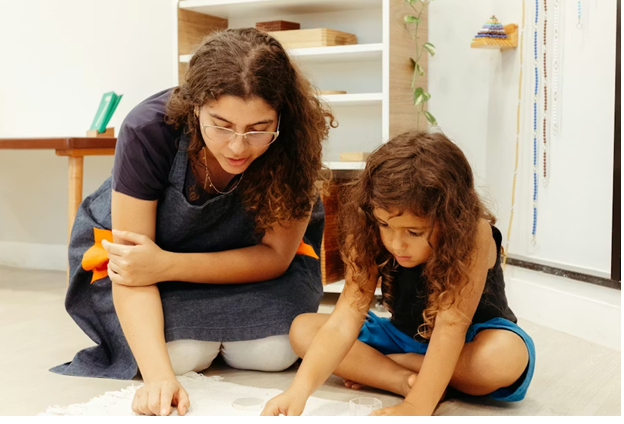
    Children in early education depend on teachers to provide emotional support more than academic studies. A caring teacher helps the children to adjust to school life, feel confident without parents and develop confidence. 

    Early education teachers: 

    ● Establish trust and emotional security. 

    ● Encourage them to ask questions. 

    ● Understand that every child learns at their own speed   

    Children are more ready to engage in new activities and be active in the classroom when they feel understood and supported. A good teacher-child relationship is the basis of a good school life. 

    2. Creating a Safe, Happy and Encouraging Classroom 

    The early years require a positive classroom environment. Young children can learn better when they are happy, relaxed and fearless. 

    This environment is created by teachers through: 

    ● Encourage them to take part without forcing.

    ● Stay calm when they make mistakes

    ● Celebrating small achievements 

    An encouraging classroom helps children: 

    ● Learn to be confident in speaking and expressing. 

    ● Learn to love attending school. 

    ● Have emotional security during the day. 

    This emotional support is particularly necessary in playschool and preschool in Bhiwadi where children are learning to relate outside their home setting. 

    3. Supporting Academic and Emotional Growth Together 

    Early education is not only about learning alphabets and numbers. It is also concerned with emotional development and social abilities. 

    Teachers monitor every child and offer individual assistance to help them: 

    ● Learn fundamental ideas at their own pace. 

    ● Develop self-confidence and self-reliance. 

    ● Learn to control feelings and interpersonal relationships. 

    Good teachers offer a moderate solution to both academic and emotional support to ensure a complete development. The approach will help the children to become self learners who do not fear asking questions and speaking out.

    4. Teachers as Role Models for Early Life Skills 

    Children at a tender age learn a lot through observation of the people around them. It is natural that teachers become role models in the early years of a child. 

    Through daily behaviour and interactions, teachers influence: 

    ● Listening and communication skills. 

    ● Respect, kindness and discipline. 

    ● Problem-solving and positive behaviour. 

    These are the initial teachings that make children grow with good habits, empathy and responsibility. Good role models in early education contribute to the development of the character of a child and his/her learning capabilities.

    5. Teaching Approach at Mosaic School 

    At Mosaic International Preschool, the teachers play a big role in shaping each child’s early education journey. The school targets children between the ages of 2-8 years and aims at developing young minds by taking care of them, being patient and thoughtful in teaching. 

    Mosaic School Teachers: 

    ● Use to play-based and activity-based learning strategies. 

    ● Provide individual attention to every child 

    ● Provide a positive classroom atmosphere and security. 

    This helps the children feel confident as they build good learning bases. Mosaic School feels children learn naturally when they are happy and secure.

    Children who get the right teachers begin their school life feeling safe, supported and willing to develop. 

    Looking for a playschool or preschool in Bhiwadi where teachers truly care for your child?

    Visit Mosaic International Preschool or call us today to find out more about our philosophy of early education and admissions.

    Read Also: How to Choose the Right Preschool in Bhiwadi – A Simple Guide Every Parent Should Read

  • How to Choose the Right Preschool in Bhiwadi – A Simple Guide Every Parent Should Read

    How to Choose the Right Preschool in Bhiwadi – A Simple Guide Every Parent Should Read

    Introduction: That One Question Every Parent Has

    You know as a parent how confusing school visits are.

    It feels great for a few moments when you walk into an environment with colorful walls, bright toys, and smiling teachers. Then, after you return home, the doubts start to grow. “Is this place really right for my child?”

    This is a situation I’ve witnessed many parents in Bhiwadi face. Some parents make a quick decision, relying on what they can see. Some take weeks to decide, even after asking many questions and visiting several schools in Bhiwadi.

    It’s not all about the classrooms being colorful or good marketing. It’s all about the environment, safety and trust for your child.

    Let’s discuss a few simple but important things. These things should not be avoided.

    1. Don’t Just Look at the Building – Check If It’s Approved

    Many parents are not aware that only some schools are authorized to operate.

    Just because a school looks good from the outside does not mean they meet all of the required standards. The Rajasthan Education Department should be the authority that grants or accredits a quality preschool located in Bhiwadi.

    The following questions should be asked by you when visiting preschools in Bhiwadi:

    • Is your school accredited?
    • May I see the certificates?

    All legitimate preschools will have no trouble showing you their credentials.

    2. The Space Matters More Than Decoration

    Sometimes, small spaces are decorated so nicely that they look perfect in photos.

    But when children spend 4–5 hours there every day, space becomes important. Children must be able to run, play and explore.

    An acceptable Bhiwadi preschool offers:

    • Open and safe areas for activities
    • Classrooms that are not crowded
    • Proper ventilation and natural light

    I once visited a school where everything looked attractive – bright walls, cute charts – but the classroom felt tight. Kids were sitting too close, and there was barely any space to move around.

    It didn’t feel right.

    Children learn better when they feel free, not when they are sitting in cramped corners.

    3. Safety Is Not Optional – It’s Basic

    Never compromise on safety, I tell all parents.

    The following are essential for a school:

    • A Building Safety Certificate
    • A Fire Safety Certificate

    They are not optional features. These are not extra features. They are essential requirements of the Right to Education guidelines.

    Problem is, many parents do not ask these questions. Some schools do not mention these things either.

    Take it as a warning if a school does not answer your questions or answers them in a way that is unclear.

    Your child’s safety comes first.

    4. Not Every Setup Is Meant for Children

    Some schools are run from temporary or small spaces, such as rented homes.

    It may look okay at first. When you dig deeper, it raises questions.

    • The building is designed for children.
    • Is there a proper safety exit?
    • There is enough space to park?

    The preschool in Bhiwadi shouldn’t feel like an old house. It should feel as if it was made just for kids.

    Children are very active. Kids are active. They run, they jump, and they explore. They need an environment which supports their energy in a safe way.

    A Small Real-Life Scenario

    Let me share a simple example.

    A parent I know had to choose between two schools in Bhiwadi.

    The first one looked very attractive – modern interiors, lower fees, and close to home. The second one was slightly farther and simpler in appearance.

    At first, they almost finalized the first option.

    But during a second visit, they noticed something – the building was small, and there was no clear information about safety certificates.

    So they visited the second school again. It wasn’t flashy, but it had open space, proper classrooms, and clear documentation.

    They chose the second one.

    A year later, they told me, “We didn’t choose the most attractive school. We chose the one that felt right.”

    That one decision gave them peace of mind.

    5. A School Should Feel Safe, Not Just Look Good

    It’s often said that we need to check things off of a ‘to do’ list, but how does this place make you feel?

    As you enter into a preschool for your child in Bhiwadi, consider the following:

    • Do the teachers interact warmly with children?
    • Do kids look comfortable and happy?
    • Does the environment feel calm and organized?

    You don’t need to overthink. Your instinct as a parent is powerful.

    If something feels off, it probably is.

    A Thought About Mosaic International Preschool

    While exploring different schools in Bhiwadi, many parents come across Mosaic International Preschool.

    What stands out here is not loud promotion, but a focus on basics done right.

    From what parents often share:

    • The school follows proper government norms
    • The building is structured and safe
    • Classrooms are spacious and ventilated
    • Safety certifications are maintained

    More than anything, it tries to create a calm and secure environment for children.

    Of course, every parent should visit and decide for themselves. But it’s always reassuring when a school focuses on safety and structure, not just appearance.

    Conclusion: Take Your Time – It Really Matters

    Choosing a school for your child is a big decision. It can affect their future. Here are some important things should be considered:

    • The school should have valid government recognition/affiliation from the Rajasthan Education Department  
    • The school must operate in a properly approved building, not temporary or unsafe premises  
    • Availability of Building Safety Certificate & Fire Safety Certificate is essential  
    • Classrooms should be spacious, ventilated, and child-friendly  
    • Proper open space for children’s activities and safety  

    These are not just formalities – they are mandatory requirements under the Right to Education Act for the safety and well-being of every child.

    We would also like to make parents aware that:

    Some schools may be operating from small rented premises without proper safety certifications or required infrastructure. Such setups may not fulfill government norms for affiliation and student safety.

    • We are proud to share that Mosaic International Preschool:
    •  Has fulfilled all government norms and requirements  
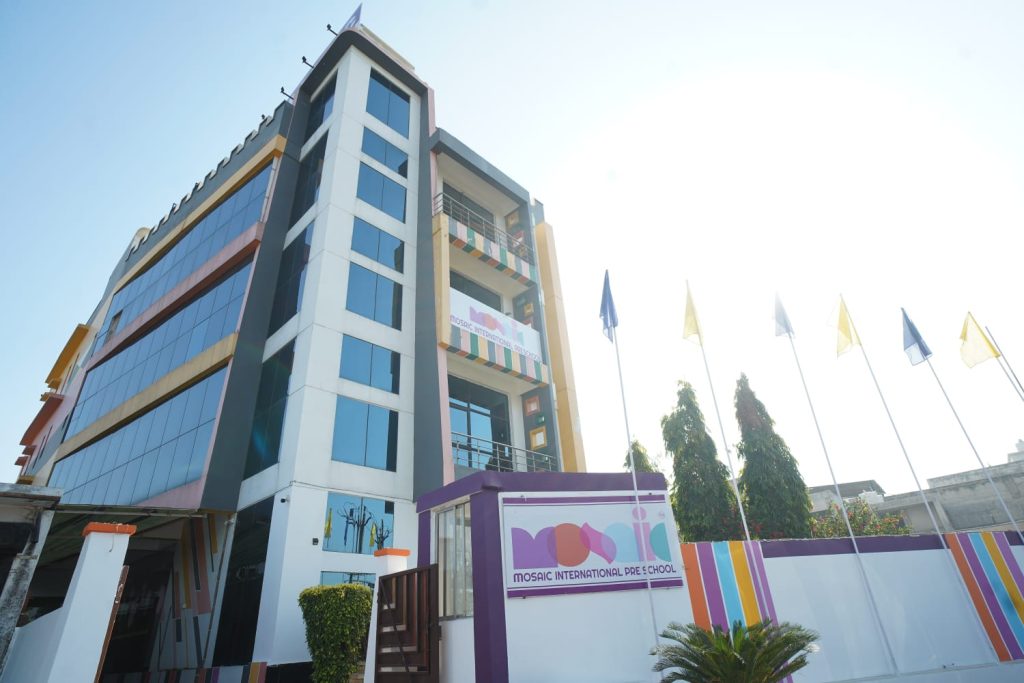
    • Operates in its own well-structured building  
    • Provides safe, ventilated, and spacious classrooms  
    • Maintains all required safety certifications  
    • Offers a secure and nurturing environment for children  

    We encourage all parents to verify these important details before finalizing admission anywhere.

    You may also confirm school recognition from the local education office for complete transparency. Your child’s safety and future should always come first.

    So don’t rush.

    Visit a few schools in Bhiwadi. Ask questions. Observe quietly. Trust your instincts. And most importantly – don’t get influenced only by looks or convenience.

    You’re choosing a safe space for your child to grow.

    Read Also: How Activity-Based Learning Helps Young Children Learn Better

  • How Activity-Based Learning Helps Young Children Learn Better

    How Activity-Based Learning Helps Young Children Learn Better

    Childhood is an exploring age. From the moment they start to walk and talk, they learn through touching, observing, questioning and experiencing the surrounding world. This is what makes activity-based learning the core of early learning particularly among children between 2 and 8 years.

    In a child’s first school experience, playschool or preschool learning should feel joyful, safe, and engaging. Activity-based learning at Mosaic International Preschool helps children to learn concepts in a natural way and develop confidence, curiosity and a passion to learn.

    1. What Is Activity-Based Learning in Early Education?

    Activity based learning in early education is based on learning through play, movement, creativity and hands on experiences as opposed to formal learning or memorisation.

    Children are not sitting and listening long hours, but they learn through:

    ● Games and activities based on play.

    ● Story telling, rhymes and music.

    ● Art, craft and exploration of senses.

    This method will enable the young children to be directly involved in the learning process thus learning becomes meaningful and enjoyable. It also facilitates various learning styles and enables children to learn at their own pace.

    2. Better Understanding and Long-Term Learning 

    In situations where young children are engaged in the learning process, they learn better and retain the knowledge longer. Role play, sorting games, storytelling and learning with objects are some of the activities that enable children to relate ideas with real life experiences.

    For example:

    ● Learning counting with toys or blocks.

    ● Learning language with the help of stories and songs.

    These methods help children:

    ● Visualise concepts easily

    ● Improve memory and recall

    ● Study without stress or anxiety.

    This soft method instills confidence at a young age and makes the learning process a pleasant experience at an early age. This more profound knowledge minimizes the learning stress and creates academic confidence at a tender age.

    3. Encouraging Creativity and Independent Expression 

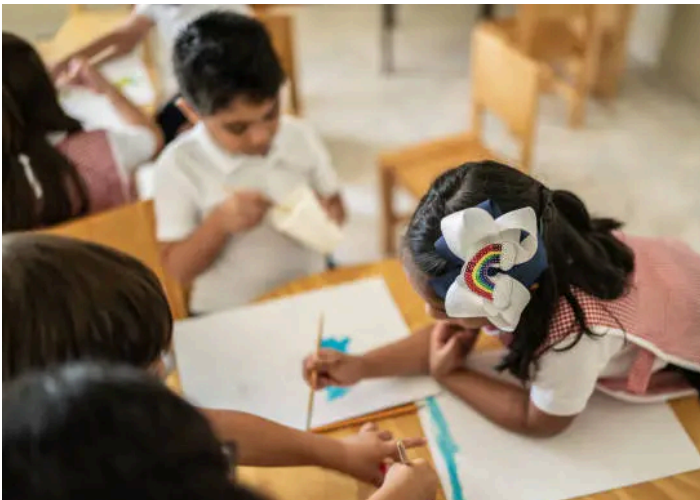
    Activity-based learning provides freedom to young children to express themselves. Imagination and originality are acquired through imaginative activities like drawing, painting, music, movement and pretend play.

    This type of learning will help children to:

    ● Explore ideas freely

    ● Make choices independently

    ● Be able to express thoughts and feelings.

    Early education can foster the development of curiosity and confidence traits in children by enabling them to explore and develop new ideas, which can be used throughout their lives and further development.

    School in Bhiwadi allow children to develop curiosity and innovation skills that are necessary in life long learning by allowing them the freedom to experiment and express themselves.

    4. Building Social and Communication Skills Early 

    A lot of the learning activities based on activities include group games and activities. Such interactions assist the young children to acquire the necessary social and communication skills in a natural and supportive manner.

    Children learn: through group activities, they learn:

    ● Sharing and taking turns

    ● Receiving others and responding to them.

    ● Collaborating and making friends.

    Such social interactions enable the children to acquire emotional intelligence and develop good interpersonal skills at an early age.

    5. Activity-Based Learning at Mosaic School 

    Activity-based learning is carefully incorporated into the routine of day-to-day preschool and early education at Mosaic International Preschool. The lessons are planned to be a combination of learning and playing, being creative and exploratory. Teachers also take children through activities which are age-related and also offer emotional support and attention.

    This method will make sure that children feel secure, active and interested during their day. Mosaic School builds a happy and supportive atmosphere by integrating the ideas of early learning with hands-on activities and thus, it becomes the first school that a child experiences positively.

    The activity based learning assists the young children to go beyond the memorisation and learn to comprehend the world surrounding them. This method is effective, enjoyable and meaningful to early education as it involves the mind, body and emotions.

    Children who get the impetus to explore, play and interact, get confidence, curiosity and real interest in learning, which is the foundation of future academic and personal success.

    Looking to find a playschool and preschool where learning is child-centred and interactive?
    To find out more about our early education and activity based learning programme visit Mosaic School or call us today.

    Read Also: How to Select the Right Early Education School for Your Child

  • How to Select the Right Early Education School for Your Child

    How to Select the Right Early Education School for Your Child

    The first school of your child is one of the greatest decisions that you will ever make as a parent. The initial years between ages 2 and 8 are the years during which children have the initial impressions of learning, school and social interaction. 

    The good beginning in playschool, preschool in Bhiwadi and early primary years develops confidence, curiosity and emotional safety. The right early education school is not just teaching alphabets and numbers. 

    Here are some tips for choosing the right school:

    1. Focus on Basics, Not Pressure

    During the early years, education should be based on establishing good foundations and not academic stress. Those children between the ages of 2-8 learn well when the concepts are introduced at an age appropriate way.

    An effective early education school is one that focus on:

    ● Learning concepts rather than memorising.

    ● Early literacy, numeracy and communication development.

    ● Promoting inquisitiveness and inquiries.

    When children learn at an early age, they gain confidence and  enjoy going to school.

    2. Safe and Caring Environment

    Playschool or preschool in Bhiwadi is the first home away experience to many children. 

    Find a school that offers:

    ● Nurturing, loving and understanding teachers.

    ● A relaxed and friendly classroom atmosphere.

    Children who are emotionally safe are more confident, expressive and willing to learn and interact socially.

    3. Importance of Play-Based and Activity-Based Learning 

    Learning in early education is based on play. Children learn better when they are able to explore, move and play.

    An effective early education programme balances learning with:

    ● Play-based learning and activity-based learning.

    ● Art, music, movement and narrative.

    ● Practical exploration and team work.

    This practice can help children:

    ● Study by experience.

    ● Learn to be creative and imaginative.

    ● Develop social and problem-solving skills.

    Play-based learning is the way to achieve holistic development without stress and pressure.

    4. Role of Teachers and Individual Attention 

    The teachers are very important in the first school experience of a child. During early education, children require instructions, support and special care.

    A good playschool or preschool will guarantee:

    ● Experienced and caring teachers.

    ● Small student-teacher ratio to be attended to.

    ● Free communication with parents.

    When teachers are aware of the pace and personality of each child, they make the children feel confident, valued and motivated to learn.

    5. Why Mosaic School Is the Right Choice for Early Education 

    Mosaic International Preschool is an early education center that is based on the needs of young children between the ages of 2-8 years. Being the first school attended by a child, Mosaic focuses on a safe, happy, and caring environment.

    The school offers:

    ● Good background education.

    ● Play-based teaching and activity based teaching.

    ● Social and emotional development.

    ● Nurturing educators and a child-centered campus.

    At Mosaic School children can learn naturally when they are happy and secure. Every child is left to explore, express and grow at their own pace. 

    Read also: A Day in the Life of a Preschool Student at Mosaic School

  • A Day in the Life of a Preschool Student at Mosaic School 

    A Day in the Life of a Preschool Student at Mosaic School 

    For parents looking for a playschool or preschool in Bhiwadi, one question matters more than anything else: “What will my child’s day actually look like?” 

    School is the first experience of children aged 2 to 8 years, who are not as comfortable being outside their homes. From the time a child enters the school till playtime, every moment affects how they feel about themselves. A proper daily routine would make children feel secure, active and look forward to coming to school everyday.

    Every day at Mosaic School is carefully planned to create a balance between learning, play, care and rest to create a happy and supportive first school experience.

    1. A Warm and Comforting Start to the Day 

    The morning of the day is the most important for young children as it decides how their whole day will go. Mosaic School makes the children feel at home, with welcoming smiling faces and routine activities which make the children adapt very well to school after being at home.

    The teachers welcome the children and reassure them which is highly necessary when they are away from home for the first time.. The mornings start with free plays or discussions or even group discussions that help children feel calm, happy and ready for the day.

    2. Gentle and Engaging Learning Sessions 

    Early education brings learning in a playful approach that is age-friendly. At Mosaic School, classroom sessions are very simple, short and fun, keeping in mind that young children cannot focus for a long time..

    Teachers use:

    ● Storytelling and rhymes

    ● Visual aids and toys

    ● Basic discussions and exercises.

    These sessions help children learn basic language skills, listening skills and curiosity in a natural way. It is not about formal academics, but about making children have fun learning and freeing their expression.

    This method makes the children gain more knowledge and ask questions without fear. It is not only about completing lessons, but the development of understanding, communication skills and curiosity. The classroom sessions are made enjoyable and effective learning experiences by keeping the pace child friendly and providing individual attention.

    3. Play-Based and Creative Learning Time

    Early education is all about play. Mosaic School children learn through fun activities that help their mind grow with emotions.

    Children participate in:

    ● Art and craft activities

    ● Music, movement and role play

    ● Hands-on learning games

    These activities enable children to investigate, fantasize and invent as they progressively acquire motor skills, creativity and problem-solving skills. Play based learning makes children happy, curious and actively involved.

    These activities will assist the children to be creative in expressing themselves, teamwork and practice what they have learned in real life situations. Such a balance between academics and creativity makes the children motivated and enthusiastic about learning.

    4. Breaks, Playtime and Social Interaction 

    Playtime to young children is very necessary not only to exercise their bodies, but also to learn socially. Breaks will help children to have a rest, freely interact and form friendships naturally.

    At the playtime, children learn:

    ● Sharing and taking turns

    ● Cooperation and communication.

    ● Bonding and expression of emotion.

    Outdoor and indoor activities enable children to expend their energy, enhance coordination and start learning activities with a fresh and concentrated mind.

    Exercise also promotes healthy development and concentration upon re-enterprise in the classroom by the children. A balanced daily routine helps children not feel tired and therefore enjoy a full school day.

    5. A Safe, Caring and Structured Preschool Environment 

    The early learners are sensitive to a safe and supportive environment. Mosaic School offers clean, happy classrooms, loving teachers and organized schedules that help children feel stable and secure. Teachers monitor, guide and help children all day long and make sure that children get personal attention and emotional comfort. Clear routines will teach children about structure, and a soft approach would create trust and confidence.

    At Mosaic School, focus is made on developing a safe, happy, and nurturing first school atmosphere where children feel comfortable with themselves.

    A day at the Mosaic International Preschool is well structured to help a child in his or her early learning, emotional stability and social growth. The school provides a balance between the soft learning sessions, play-based activities, rest and individual attention to make sure that children are happy to go to school on a daily basis.

    This positive daily experience creates confidence, curiosity and love of learning throughout life beginning with the very first school of a child.

    Looking for a caring Preschool in Bhiwadi where the first day of your child in school is full of care, play and happy learning? Contact Mosaic International Pre School.

    Read more: Why Primary Education Is the Most Important Stage in a Child’s Life

  • Why Primary Education Is the Most Important Stage in a Child’s Life

    Why Primary Education Is the Most Important Stage in a Child’s Life

    The first step in the learning process of a child is based on early education. School to children aged between 2 to 8 years is not only a place to learn letters or numbers but also their first experience of spending time away from home, this is their first social interaction and this is where confidence and curiosity as well as love towards learning are formed.

    Childhood is the period when children learn the most, emotionally and mentally. It is what they go through in the state that determines their subsequent attitudes towards learning, relations and themselves as they grow older. One of the most important decisions that parents can make in this stage of life is choosing the right Preschool in Bhiwadi.

    1. Early Education Builds the First Learning Foundations

    In young children, exploration, observation and play are the process through which learning takes place. The principles of early education are focused on presentation of simple concepts like language, communication, numbers, colours and shapes in a simplistic and age sensitive manner.

    Learning at this stage is not about feeling the pressure and achieving performance. Rather, it assists children to develop:

    ⦁ Early language and communication.
    ⦁ Passion and eagerness to know what is around them.
    ⦁ Capability of listening, responding and expressing.

    Children will love learning when it is presented to them through play, interactions. These foundations are experienced at a young age and thus the future academic learning becomes easier and relaxed.

    2. The First School Experience Builds Emotional Confidence

    For many children, a nearby playschool or pre school is the first place they stay away from home. Because of this emotional care and understanding are very important.

    Early childhood education benefits children:

    ● Feel safe and comfortable in a new place.
    ● Build trust with teachers
    ● Learn how to interact with other children.

    Children slowly become more independent and confident due to daily routine and support. A happy preschool environment gives the children a sense of safety, love and happiness which means that they will enjoy attending school.

    3. Learning Through Play, Stories and Experiences

    Children learn quickly when they play and take part in activities at a young age. Early learning education focuses on play based and experiential learning where children do not just listen but they actively participate.

    Through activities like:
    ● Storytelling and rhymes
    ● Art, music and movement
    ● Role play and hands-on games

    children are learning to understand concepts in an easy way. The experiences help enable attention, memory, creativity and imagination, while keeping learning fun and stress-free.

    4. Developing Life Skills from the Start

    It is not only early schooling that involves our academic learning but it is where our children start learning important life skills. In preschool or playschool, children begin to develop skills that are essential in growth.

    These include:
    ● Listening and communication.
    ● Sharing and taking turns
    ● Routine and instructions.
    ● Developing self-confidence and independence.

    Such abilities help kids in adjusting more to school conditions and in the social environment. When they learn at a young age, the children are better prepared in terms of their emotional strength and adaptability.

    5. A Safe, Caring and Joyful Learning Environmen

    Young children need a positive school environment. Clean classrooms, cheerful classrooms, caring teachers and regular schedules make the children feel safe and comfortable.

    When children feel safe and happy at school, they:

    ● Participate in activities.
    ● Develop more emotional bonds.
    ● Learn to have a positive attitude towards learning.

    In Mosaic International Preschool, early education is designed to be kind, happy and supportive. Having so many priorities on play-based learning, emotional health and care, emotional well-being, and individual attention, the school aids children in making good foundations without wasting even a single moment of their early childhood.

    The most significant part of the life of the child is the early education as it shapes how they learn, interact and grow in the future.

    The right playschool will give a strong start to growing the children with curiosity, confidence and joy to establish their lifelong learning.

    Read also: How to choose the right preschool

  • Mosaic School: Learning Begins Here

    Mosaic School: Learning Begins Here

    Childhood is the basis of adult development, education and character. At Mosaic International Preschool, we think that each child is unique and should have a safe, nurturing and happy environment in which learning occurs naturally through exploration and play.

    We have carefully planned our curriculum to help with the holistic development, emotional, social, physical, and creative. The learning is not restricted to books at Mosaic; instead, it happens via stories, music, art, movement and hands-on experiences that make each day exciting.

    Our international early learning style is based on play-based and experiential learning. It helps children in developing good language, early numeracy, problem solving skills and confidence in their own stage. Our knowledgeable and nurturing teachers serve as facilitators and help children through their individual learning styles being patient and positive.

    Safety and emotional well-being are our priorities at Mosaic International Preschool. Our campus is child safe and friendly and the children feel secure, valued and confident. The small classes guarantee individual attention, as teachers will get to know each child and their strengths and weaknesses.

    It is also our belief that parents are co-learners with a child. Frequent communication, updates, and participation allow establishing a great bond between home and school, so growth and development are constant.

    Mosaic International Preschool is preparing children not only to attend primary school, but to live by fostering creativity, independence and love of learning. Here, each child makes the first steps on their path as a confident, happy, and life long learner.

    Read also: Ways to Make Your Train Ride Fun and Comfortable When Travelling With Your Little One

  • Ways to Make Your Train Ride Fun and Comfortable When Travelling With Your Little One

    Ways to Make Your Train Ride Fun and Comfortable When Travelling With Your Little One

    Last week me and my five year old son had to travel back to back to meet a few relatives. Considering all the ways to travel,with mutual consent we both opted for train rides,and I am glad that we did that. Not that it was the first time that we were travelling…