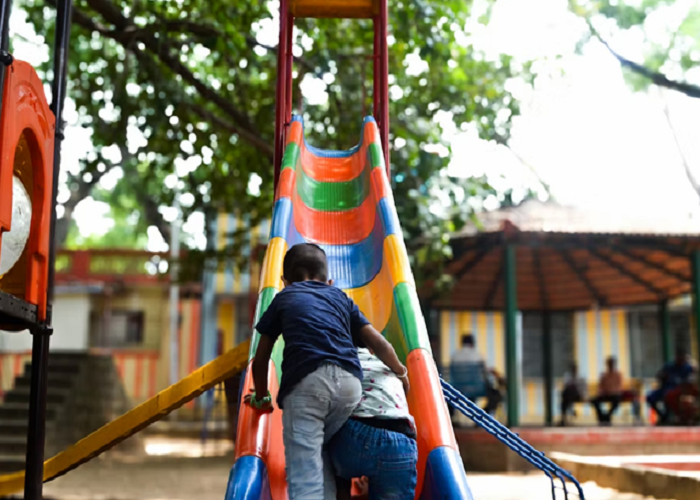
Preschool is a new environment for children aged 2-8 years. It is where they take their first steps towards being independent, socializing with others and systematic learning. In early years, the school plays an important role in shaping a child’s emotions, confidence and approach towards learning.
Young children feel secure, supported and ready to explore in a safe, positive and nurturing school environment. Children feel secure and learning becomes natural and happy.
1. Emotional Safety Builds Confidence in Early Learners
For toddlers and preschoolers, emotional security is equally important as physical security. Children must feel accepted, understood and cared about before they are able to actually engage in learning.
Children in a positive school environment:
● Not afraid of separation with parents.
● Express their feelings freely.
● Build trust in caregivers and teachers.
Children become more open and confident when emotional needs are fulfilled and become open to new experiences. This trust makes them engage in activities, interact more and like attending School in Bhiwani on a daily basis.
2. Physical Safety Creates a Stress-Free Learning Space
Young children learn best in environments that are specifically made to suit them. A physically safe school environment means that children are able to move, play and explore without being restricted and feared all the time.
A child friendly environment involves:
● Clean and hygienic classrooms.
● Furniture and learning materials suitable for their age.
● Supervised playgrounds.
This helps them to be less anxious and enables them to participate in learning and play-based activities necessary in early development.
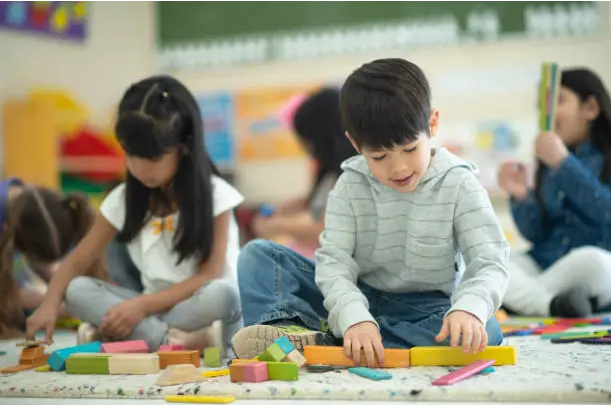
3. Positive Environments Encourage Social and Emotional Growth
Children learn how to relate with others at early ages. A good school environment assists children to acquire the necessary social and emotional skills.
Within these environments, children learn:
● Sharing and taking turns.
● Deference to peers and teachers.
● Cooperation and teamwork
Teachers have a major role in ensuring that these interactions are directed in a positive and soft manner.
4. A Happy Environment Builds a Love for Learning
Children who learn to associate school with happiness and comfort tend to love learning their whole life. Curiosity, creativity and enthusiasm are promoted by a positive school environment.
Such environment facilitates:
● Play based learning and activity based learning.
● Liberty to investigate and inquire.
● Happy engagement in classroom activities.
When children learn without pressure, they become more curious and interested. This is a good relationship with school that makes it easier to overcome fear and pressure as the children develop academically.
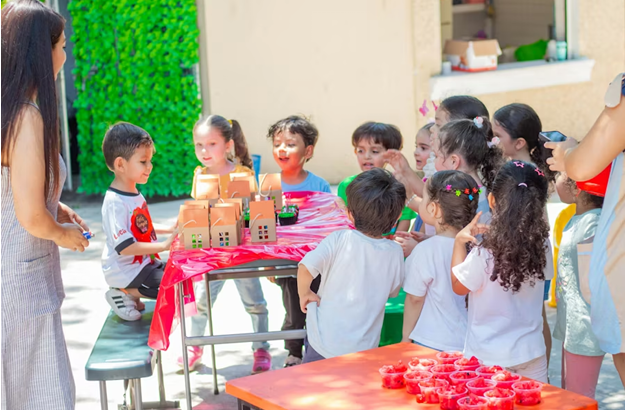
5. A Safe and Supportive Environment at Mosaic School
At Mosaic International Preschool, the core of early education is to establish a safe, positive and nurturing environment. The school is designed to make every child feel safe, appreciated and joyful and is targeted at children aged between 2 and 8 years.
Mosaic School offers:
● Nurturing and caring teachers.
● Routines that are structured and flexible to young learners.
● Early childhood-friendly warm and welcoming campus.
Through safety, emotional care and involvement learning experiences, Mosaic School will be able to make children enjoy their first school experience as they establish strong foundations to the future.
The early years of schooling require a safe and positive school environment. It influences the confidence of a child, his/her emotional state and attitude to studying. Children become more willing to explore, interact and develop when they feel safe and joyful.
Selecting the appropriate early education setting guarantees that the initial experience of school is full of happiness, comfort and valuable learning to a child.
Seeking a playschool and preschool where safety, care and joyful learning are of utmost importance to young children?
Visit Mosaic International Preschool or call us today to find out more about our early education style and admissions.
Read Also: Why Play-Based Learning Is Essential in Early Childhood Education